New data. The same memory budget.
As a model keeps learning, new examples arrive. Only a limited selection of earlier examples can stay in its replay buffer.
A model cannot revisit everything it has ever seen. We study how to choose what it returns to.
As a model keeps learning, new examples arrive. Only a limited selection of earlier examples can stay in its replay buffer.
MVI tracks a smoothed signal from each example’s training loss. It is a signal of vulnerability that helps identify examples needing another look.
ProtectScore combines MVI with configured value, rarity, criticality and task-age signals. It guides retention and replay; separate quotas set minimum retention for selected groups.
Within the same memory limit, selected earlier examples return to training alongside new data. Their replay losses refresh MVI, feeding the next decision.
Run records can include the rule, scores, training step and buffer state, so the selection can be inspected.
Our continual-learning evaluation uses medical images. Financial models, edge devices, and robotics are possible applications to explore with partners.
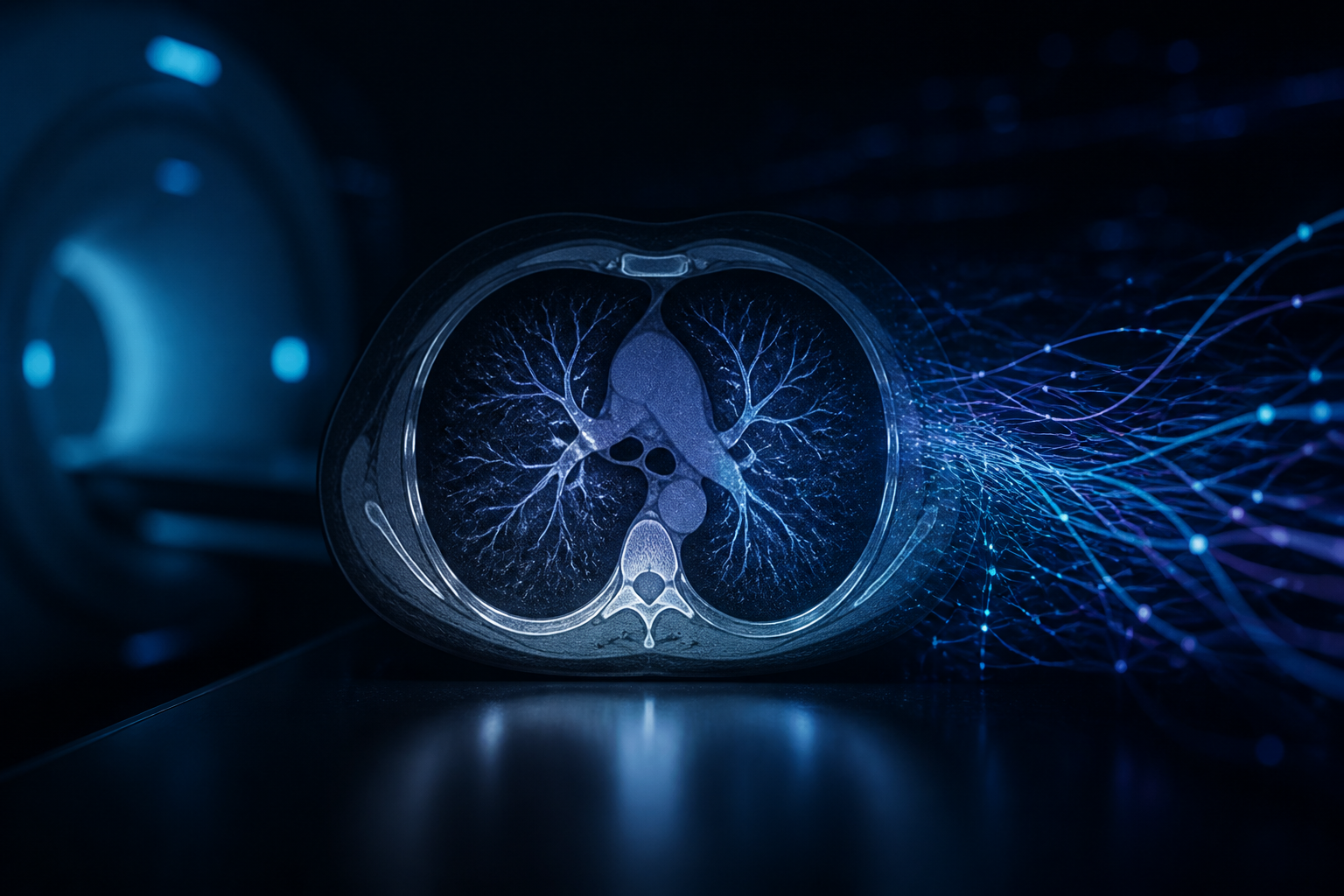
Rare clinical cases can be overwritten as models absorb new data.
Prioritize vulnerable, clinically important samples.

Changing data can make previously reliable financial models drift.
Preserve important evidence across retraining cycles.
Strict storage and compute limits make every retained sample matter.
Allocate bounded memory intentionally.

New environments can interfere with previously learned skills.
Protect fragile capabilities during adaptation.
This is research into model training. It is separate from the free local assistant plugin and the hosted edition in development. No performance results are presented on this page.